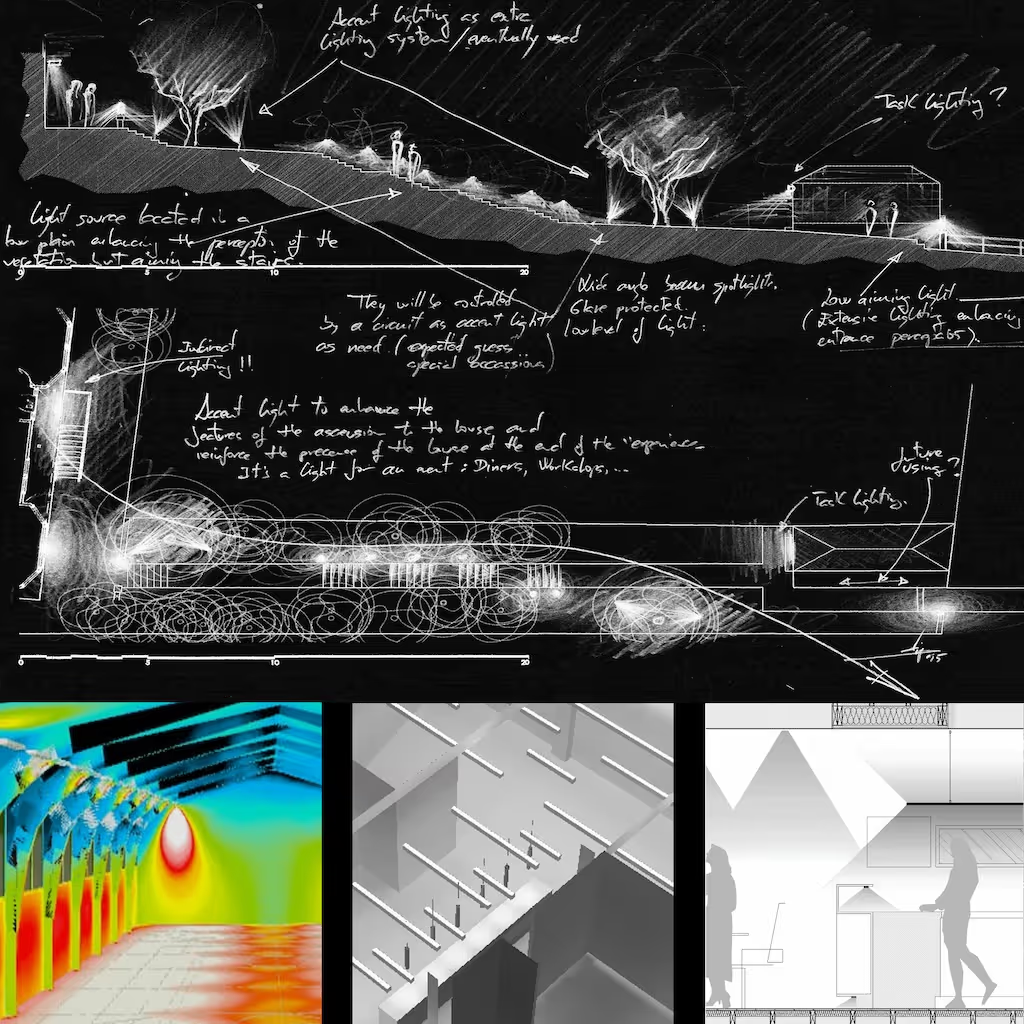
1- Architectural Lighting Strategy and Assessment.
How the design journey begins.
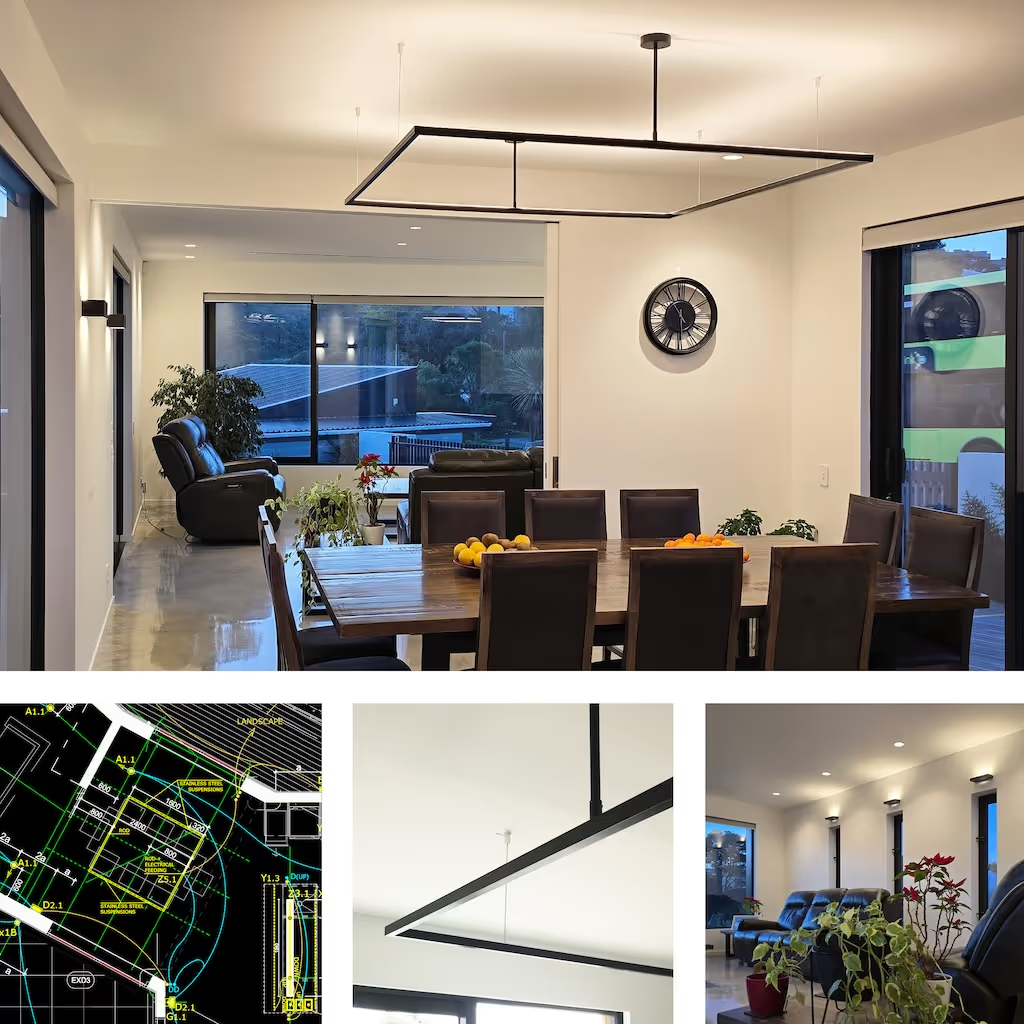
2- Lighting Design and Specification.
How the lighting design is developed.
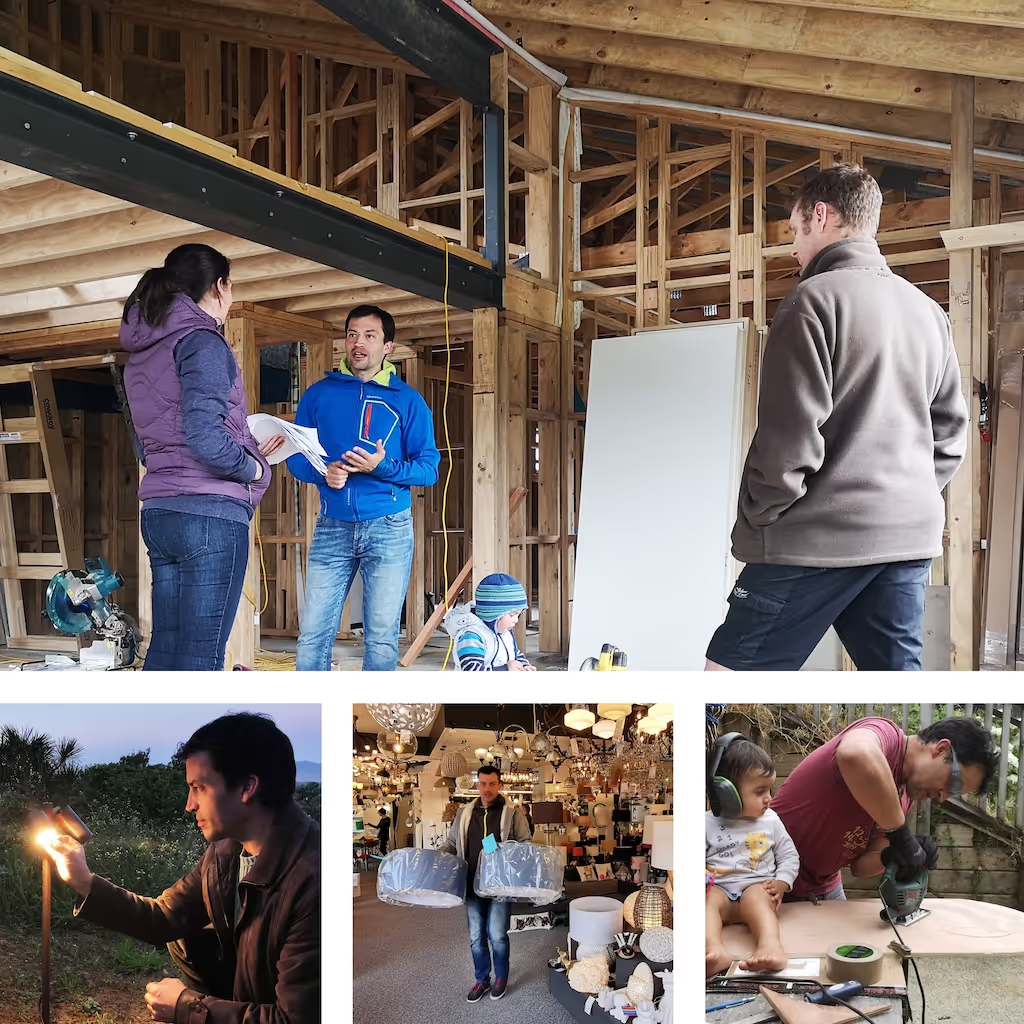
3- Design projection and Implementation support.
How the design is protected during installation.
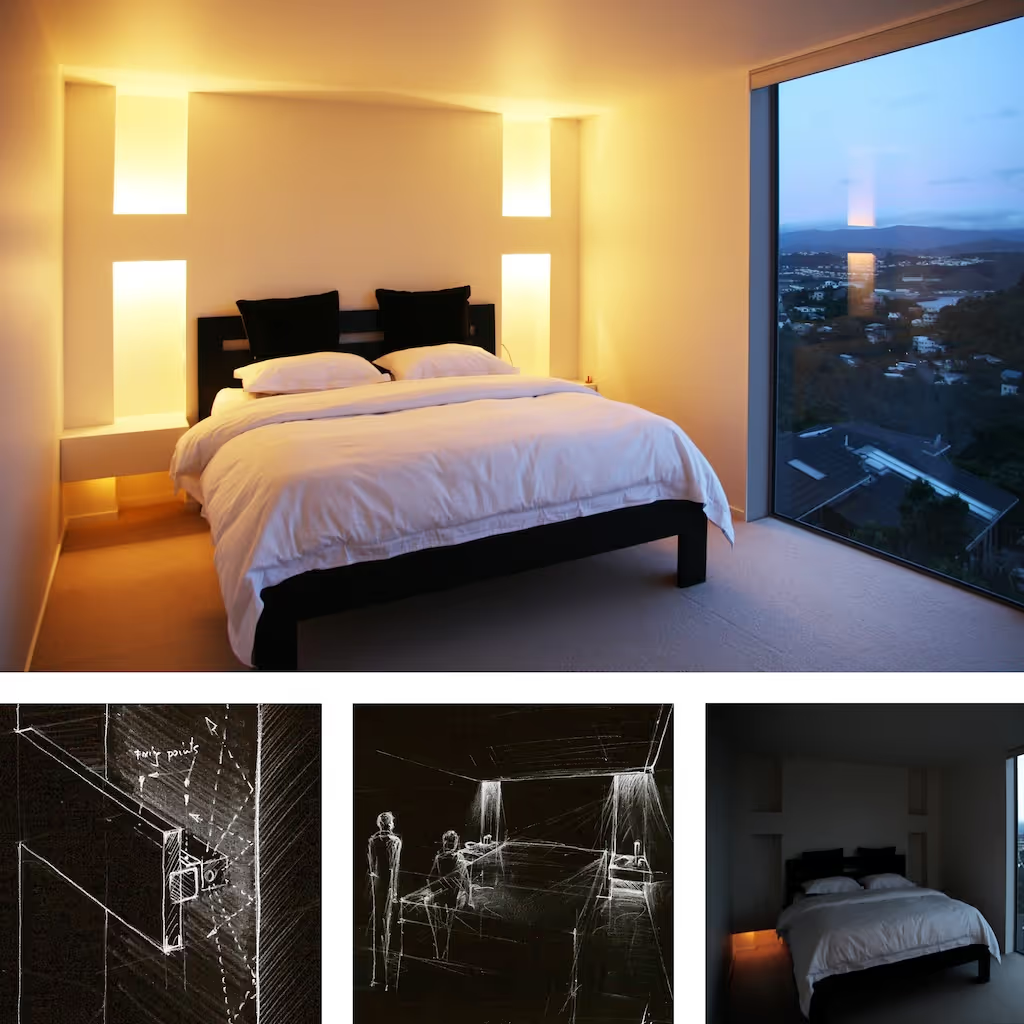
4- Commissioning and Lighting refinement.
How a satisfying result is achieved.
Every project begins with listening and a careful review.
This stage is about understanding how you live or work within the space, while thoroughly assessing the architectural context, spatial hierarchy, daylight conditions, and functional requirements. Through active dialogue, site visits, and proactive conversations, assumptions are explored and, when necessary, challenged to uncover what the project truly requires.
Where projects involve architects and interior designers, their vision, spatial intent, and design direction are carefully considered as part of this early process. This ensures alignment across disciplines from the outset, allowing the lighting strategy to grow naturally from the overall architectural concept rather than being applied later as an afterthought.
By combining experiential insight with technical analysis, we define a clear lighting direction that supports the space throughout the day and into the evening. Early assessment often reveals opportunities to refine decisions before implementation begins, helping to avoid costly adjustments later and ensuring the most effective and considered outcome.
All findings are consolidated into a structured document that outlines priorities, opportunities, and constraints, allowing clients to confidently assess the next steps before moving into design.
Let’s begin by understanding what your project truly needs, establishing a lighting strategy that protects long-term comfort, performance, and design integrity.